
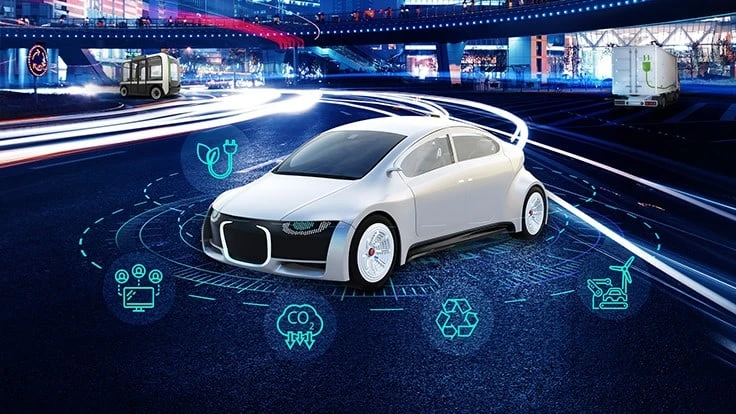
The auto industry has undergone a transformative journey over the past century. From the invention of the internal combustion engine to the rise of electric and autonomous vehicles, automobiles have become an essential part of modern life. With technology evolving rapidly, the industry is at the forefront of innovation, shaping not only how we travel but also influencing environmental policies, urban planning, and global economies.
The Evolution of the Auto Industry
The history of automobiles dates back to the late 19th century when innovators like Karl Benz and Henry Ford revolutionized transportation. Early automobiles were luxury items, accessible only to the wealthy. However, the introduction of the assembly line by Ford in the early 20th century democratized car ownership, making vehicles more affordable and shaping modern mobility.
Over the decades, the auto industry has adapted to changing consumer demands, environmental concerns, and technological advancements. From fuel-efficient engines to hybrid vehicles, car manufacturers have continuously pushed the boundaries of innovation. Today, the focus is on electric vehicles (EVs), autonomous driving technologies, and smart mobility solutions, reflecting a shift toward sustainable and intelligent transportation.
Key Trends Shaping the Auto Industry
- Electric Vehicles (EVs) and Hybrid Cars
The global push for reducing carbon emissions has accelerated the adoption of electric vehicles. EVs offer zero tailpipe emissions and lower operating costs compared to traditional internal combustion engine vehicles. Leading automakers like Tesla, Nissan, and BMW are investing heavily in EV technology, while governments worldwide offer incentives to encourage adoption.Hybrid vehicles, which combine a traditional engine with electric propulsion, are also gaining popularity. These vehicles provide an eco-friendly alternative without compromising on range, making them ideal for consumers transitioning from conventional cars. - Autonomous Driving and Smart Technologies
Self-driving technology has become a focal point in the auto sector. Companies such as Waymo, Cruise, and Tesla are developing autonomous systems capable of handling complex driving scenarios. While fully autonomous vehicles are still under regulatory review, advanced driver-assistance systems (ADAS) are already enhancing safety through features like adaptive cruise control, lane-keeping assistance, and automated parking.Smart technologies also include connected cars, which leverage IoT (Internet of Things) connectivity to offer real-time traffic updates, remote diagnostics, and enhanced infotainment options. These innovations are transforming the driving experience while improving safety and efficiency. - Sustainability and Green Manufacturing
Environmental sustainability has become a core focus in the auto industry. Car manufacturers are adopting eco-friendly production methods, such as using recycled materials, reducing energy consumption, and minimizing waste. Automakers are also investing in renewable energy sources to power manufacturing facilities, aligning with global efforts to combat climate change.Additionally, there is a growing emphasis on battery recycling and developing second-life applications for EV batteries, which helps mitigate environmental impacts and supports the circular economy. - Urban Mobility Solutions
With urbanization on the rise, cities face challenges like traffic congestion, pollution, and limited parking. The auto industry is responding with innovative urban mobility solutions, including electric scooters, shared mobility platforms, and compact EVs designed for city driving. Companies are integrating ride-sharing apps with autonomous shuttles and micro-mobility options to offer seamless urban transport. - Global Market Insights
The global auto market continues to expand, driven by emerging economies and growing consumer demand. China remains the largest market for EVs, followed by Europe and the United States. Emerging markets in India, Southeast Asia, and Latin America present opportunities for affordable vehicles, two-wheelers, and micro-mobility solutions.Technological advancements and changing consumer preferences are reshaping market dynamics. Automakers are focusing on digital sales platforms, online financing solutions, and direct-to-consumer strategies to stay competitive.
Challenges Facing the Auto Industry
Despite the promising trends, the auto industry faces several challenges:
- Supply Chain Disruptions: Global chip shortages and logistics issues have impacted vehicle production, leading to delays and increased costs.
- Regulatory Compliance: Strict emission standards and safety regulations require continuous adaptation and innovation.
- High EV Costs: While EVs are environmentally friendly, their initial purchase cost remains a barrier for many consumers.
- Consumer Adoption: Convincing traditional car buyers to switch to EVs or autonomous vehicles requires extensive education and infrastructure support.
Innovations Driving the Future of Auto
- Battery Technology Advancements
The efficiency and affordability of EV batteries are critical to mass adoption. Solid-state batteries, fast-charging solutions, and longer-lasting lithium-ion cells are transforming electric mobility. These advancements not only improve driving range but also reduce charging times, making EVs more practical for everyday use. - Artificial Intelligence and Predictive Maintenance
AI is revolutionizing vehicle performance and safety. Predictive maintenance systems analyze real-time data to anticipate potential issues, reducing breakdowns and repair costs. AI also powers autonomous driving algorithms, enhancing decision-making in complex traffic scenarios. - Vehicle-to-Everything (V2X) Communication
V2X technology allows vehicles to communicate with each other, infrastructure, and even pedestrians. This connectivity improves traffic flow, enhances road safety, and reduces the risk of accidents. V2X is expected to be a cornerstone of future smart cities.
Consumer Trends and Preferences
Modern car buyers prioritize features beyond traditional performance metrics. Key preferences include:
- Eco-Friendly Options: Consumers are increasingly choosing EVs and hybrids to reduce their environmental footprint.
- Advanced Safety Features: ADAS and smart safety technologies are critical decision factors.
- Connectivity and Infotainment: Integrated apps, voice control, and entertainment systems enhance the user experience.
- Personalization: Buyers seek vehicles that reflect their lifestyle and offer customizable options.
Conclusion: The Road Ahead
The auto industry is in a period of unprecedented transformation. Electric mobility, autonomous driving, smart technologies, and sustainable manufacturing practices are redefining the way we think about transportation. As manufacturers, policymakers, and consumers embrace these innovations, the industry is poised to create safer, greener, and more connected mobility solutions.
Staying informed about trends, market dynamics, and technological developments is essential for anyone invested in the auto sector. The road ahead promises exciting opportunities and challenges as the world transitions toward a future of intelligent and sustainable mobility.
FAQs About the Auto Industry
- What is driving the growth of electric vehicles in the auto industry?
Government incentives, environmental concerns, lower operating costs, and technological advancements are the main factors boosting EV adoption. - How close are we to fully autonomous vehicles?
While fully autonomous cars are not yet widespread, advanced driver-assistance systems are already enhancing safety and convenience. Regulatory approval and infrastructure development will dictate widespread adoption. - What are the main challenges of switching from traditional cars to electric vehicles?
High initial costs, charging infrastructure limitations, and range anxiety are primary barriers for consumers considering EVs. - How is AI used in modern automobiles?
AI powers autonomous driving systems, predictive maintenance, smart infotainment, and real-time traffic analytics, improving efficiency and safety. - What role does sustainability play in the auto industry?
Sustainability influences vehicle design, production processes, battery recycling, and emissions regulations, shaping environmentally responsible practices across the sector. - Which regions are leading in auto industry innovations?
China, Europe, and the United States lead in electric mobility, autonomous technologies, and smart city integration, while emerging markets focus on affordability and micro-mobility solutions. - What future trends will define the auto industry in the next decade?
Increased adoption of EVs, autonomous vehicles, connected technologies, V2X communication, and eco-friendly manufacturing practices will dominate the industry’s evolution.