
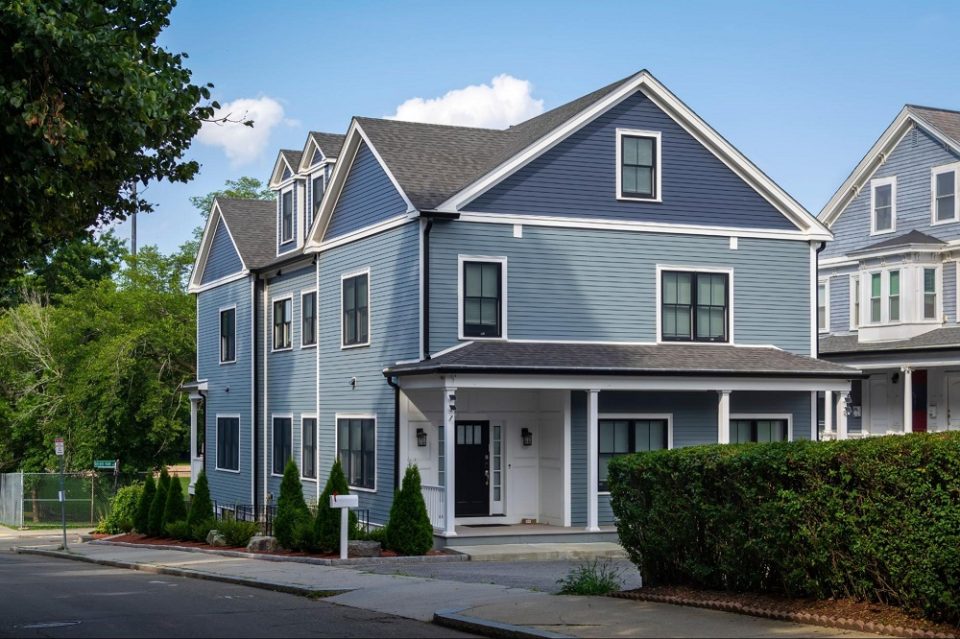
Real estate has long served as a fundamental pillar of wealth creation, providing investors with tangible security, predictable cash flow, and sustained capital appreciation. While single-family rental homes represent a common entry point for novice landlords, experienced real estate investors frequently transition toward multi-family assets to accelerate portfolio growth. Multi-family real estate—encompassing residential structures containing two or more distinct housing units, such as duplexes, triplexes, quadplexes, and large apartment complexes—delivers distinct operational advantages that single-family rentals cannot match.
In an evolving economic environment characterized by shifting housing demographics, persistent demand for rental housing, and fluctuating interest rates, multi-family properties offer strong investment potential. By capitalizing on economies of scale, diversified cash flow streams, favorable commercial financing options, and attractive tax benefits, investors can construct resilient portfolios designed to generate stable long-term income.
Accelerated Portfolio Expansion Through Economies of Scale
One of the most compelling arguments for investing in multi-family real estate is operational efficiency. Acquiring individual single-family rental homes requires identifying separate properties, negotiating distinct purchase contracts, conducting isolated property inspections, and closing multiple loans across different geographic locations.
Multi-family investing allows capital deployment to scale efficiently. Purchasing a ten-unit apartment building requires a single transaction, one loan closing, one title insurance policy, and one master property insurance policy, instantly expanding an investor housing footprint ten-fold.
-
Streamlined Property Management: Managing ten single-family homes scattered across a metropolitan area generates high logistics friction for maintenance crews and property managers. A ten-unit multi-family property concentrates management, maintenance, and tenant interactions under a single roof, dramatically reducing driving time and labor costs.
-
Centralized Capital Expenditures: Replacing a roof or upgrading plumbing infrastructure across ten separate single-family rental homes is significantly more expensive than replacing a single unified roof or main sewer line on a ten-unit residential building. Bulk vendor discounts and centralized mechanical systems lower per-unit maintenance expenses over time.
-
Efficient Marketing and Leasing: Marketing a single multi-family community fills vacant units continuously, as property managers can showcase model units and maintain active waitlists, keeping overall occupancy rates higher than isolated rental homes.
Mitigation of Vacancy Risk and Cash Flow Volatility
Vacancy is the single greatest threat to cash flow stability in residential real estate. In a single-family rental portfolio, a vacancy represents a total loss of income for that specific asset. When a single-family tenant vacates, the property cash flow drops to zero percent immediately, while mortgage payments, property taxes, insurance, and utility bills remain fully due.
Multi-family assets insulate investors from complete cash flow failure through risk diversification across multiple units within the same asset.
Distributed Financial Liability
In a quadruplex or an eight-unit apartment building, an unexpected vacancy in one unit drops total gross rental income by only twenty-five percent or twelve point five percent, respectively. The remaining occupied units continue generating sufficient income to cover operating expenses, property management fees, and monthly debt service obligations. This built-in buffer minimizes out-of-pocket capital injections required from the investor during market downturns or tenant transitions.
Predictable Monthly Net Operating Income
Because multi-family properties feature staggered lease expiration dates across multiple tenants, monthly revenue streams remain far more predictable than single-family assets. Steady net operating income provides investors with consistent cash distributions while reassuring lenders of the asset financial stability.
Favorable Financing Models and Value Creation Opportunities
Financing structures for multi-family properties differ fundamentally from single-family residential loans, offering strategic investors greater control over property valuation and equity creation.
Properties containing two to four units qualify for residential mortgage financing, allowing investors to access favorable interest rates, fixed thirty-year loan terms, and lower down payment options. Multi-family properties containing five or more units enter the commercial real estate financing space, unlocking powerful valuation mechanics based directly on property performance.
-
Commercial Valuation Based on Net Operating Income: Unlike single-family homes, whose market values depend almost entirely on comparable neighborhood home sales, commercial multi-family property values are determined by dividing net operating income by the prevailing market capitalization rate.
-
Forced Appreciation Potential: Because value is tied directly to net operating income, investors can forcefully appreciate a multi-family property value by increasing revenues or cutting operating expenses. Adding coin-operated laundry facilities, reserved parking fees, sub-metering utilities, or updating interior finishes allows landlords to raise rents, driving substantial increases in overall asset value independent of broader real estate market trends.
-
Access to Specialized Agency Loans: Commercial multi-family assets qualify for specialized government-sponsored agency loans, such as Fannie Mae and Freddie Mac non-recourse debt, which offer competitive interest rates, flexible loan terms, and supplemental financing options for property renovations.
Generous Tax Benefits and Wealth Preservation Mechanisms
Real estate remains one of the most tax-advantaged asset classes available to private investors, and multi-family properties offer exceptional tax shelter mechanisms that preserve accumulated capital.
Internal Revenue Service regulations allow real estate owners to deduct property operating expenses, mortgage interest, property management fees, insurance premiums, and maintenance costs directly from gross rental revenue. Furthermore, investors can utilize paper loss deductions through depreciation.
Depreciation allows property owners to deduct the cost of the physical building structure over twenty-seven point five years, offsetting positive cash flow distributions with non-cash tax losses. To accelerate tax shelter advantages, investors can perform a cost segregation study, reclassifying specific building components—such as carpets, appliances, lighting, and landscaping—into shorter five, seven, or fifteen-year depreciation schedules.
When selling a multi-family asset, investors can defer capital gains taxes and depreciation recapture completely by executing a 1031 exchange, reinvesting the proceeds into a larger multi-family property to compound wealth tax-free over time.
Favorable Demographic Trends Sustaining Housing Demand
Macroeconomic and demographic shifts across the United States continue to fuel strong structural demand for multi-family rental housing. High interest rates, elevated home sale prices, and strict mortgage underwriting standards have priced millions of prospective buyers out of the single-family housing market, creating a expanding renter pool.
Simultaneously, changing lifestyle preferences among younger workforce generations and downsizing baby boomers favor the flexibility, low-maintenance convenience, and urban proximity offered by multi-family apartment communities. Investing in multi-family real estate places capital directly in front of this long-term housing demand curve.
A well-selected multi-family property provides a powerful combination of ongoing cash flow, forced appreciation equity, structural risk protection, and generous tax shelter benefits, making it an exceptional asset class for building sustainable financial independence.
Frequently Asked Questions
What is the difference between residential and commercial multi-family real estate?
Residential multi-family real estate consists of properties with two to four units, such as duplexes, triplexes, and quadplexes. They qualify for standard consumer residential mortgages. Commercial multi-family real estate includes properties with five or more units, which are underwritten using commercial lending criteria based primarily on property income generation rather than individual personal credit alone.
How is the value of a commercial multi-family property calculated?
The value of a commercial multi-family property is calculated using the capitalization rate formula. You divide the property annual Net Operating Income by the prevailing market capitalization rate in that specific geographic area. For example, a property with a Net Operating Income of one hundred thousand dollars in a market with a six percent capitalization rate would be valued at approximately one million six hundred sixty-six thousand dollars.
What is a cost segregation study in multi-family real estate investing?
A cost segregation study is a detailed engineering and tax analysis that breaks down a multi-family property into individual physical components. It allows real estate investors to accelerate depreciation deductions by reclassifying certain assets—like flooring, cabinetry, outdoor paving, and lighting—from a standard twenty-seven point five-year schedule into much faster five, seven, or fifteen-year write-off periods.
Is it better to start with single-family rental homes or multi-family properties?
While single-family homes require lower initial purchase capital, multi-family properties provide superior cash flow stability and faster scale. Novice investors often find success starting with small residential multi-family units, such as a duplex or triplex, utilizing house hacking techniques to live in one unit while renting out the remaining spaces to cover mortgage costs.
What is house hacking with a multi-family property?
House hacking is a investment strategy where an owner purchases a small multi-family property, lives in one of the units as their primary residence, and leases out the neighboring units. The rental income collected from tenants covers part or all of the owner mortgage, property taxes, and operating expenses, allowing the investor to live for free while building real estate equity.
What key financial metrics should investors analyze before buying a multi-family property?
Investors should evaluate Net Operating Income, Cash-on-Cash Return, Capitalization Rate, Debt Service Coverage Ratio, and Gross Rent Multiplier. These financial metrics evaluate the property ability to generate positive cash flow, service its mortgage obligations safely, and deliver a competitive return on the investor deployed capital.
How does property management differ between small and large multi-family assets?
Small multi-family properties with two to four units are frequently self-managed by owners or handled by local third-party property management firms on a percentage fee basis. Large commercial multi-family complexes, typically those with fifty units or more, generate sufficient rental revenue to support dedicated on-site leasing agents and full-time maintenance staff, creating fully automated operational management for investors.