

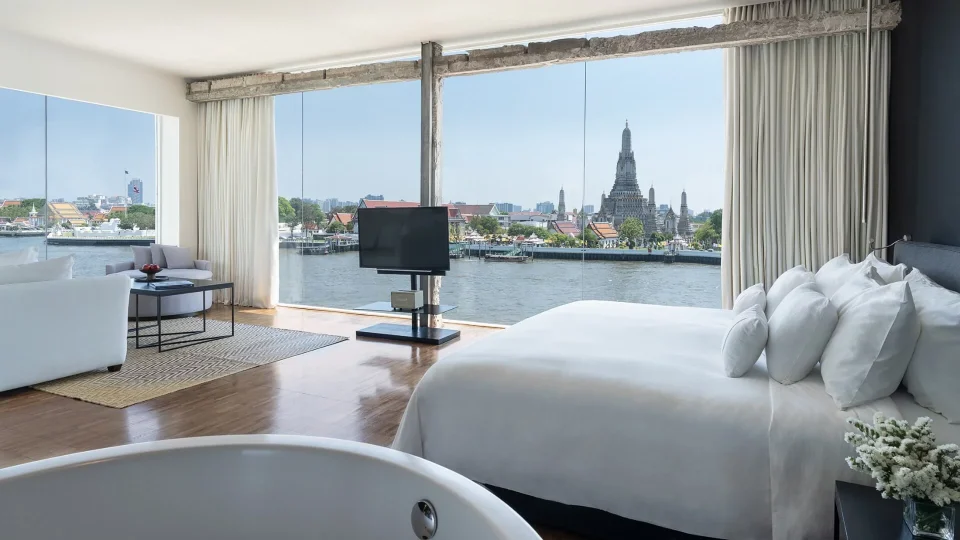
A striking outlook can influence the pace and atmosphere of a city break. Watching boats, changing light and daily activity from a room can create a stronger sense of place than facing another building or busy road. Travellers considering a Bangkok river view hotel should still look beyond the photograph, however, because room orientation, height, noise and access can determine whether the view remains enjoyable throughout the visit.
The best room is not necessarily the one on the highest floor. It is the one whose outlook, layout and position support the way the guest plans to use the hotel.
Understand What the View Description Really Means
Hotels may describe rooms as river-facing, partial river view or city and river view. These phrases can represent very different outlooks, particularly when the building has several wings or neighbouring developments.
Guests should check whether the view is available from the bed, balcony or only from one corner of the room. Recent photographs from the actual room category are more useful than a general image taken from the rooftop or restaurant.
Floor height also changes the experience. Higher rooms may provide a broader panorama, while lower floors can make the river activity feel closer and more immediate. Trees, adjacent buildings and future construction may affect both.
Balance Scenery With Sleep
Waterfront areas can feel calm, but rivers are working transport routes rather than silent landscapes. Boats, piers, events and nearby roads may all produce noise at different times.
Light sleepers should ask whether the room uses effective glazing and whether it faces entertainment areas or outdoor dining. A beautiful outlook may be less appealing when music or traffic continues late into the night.
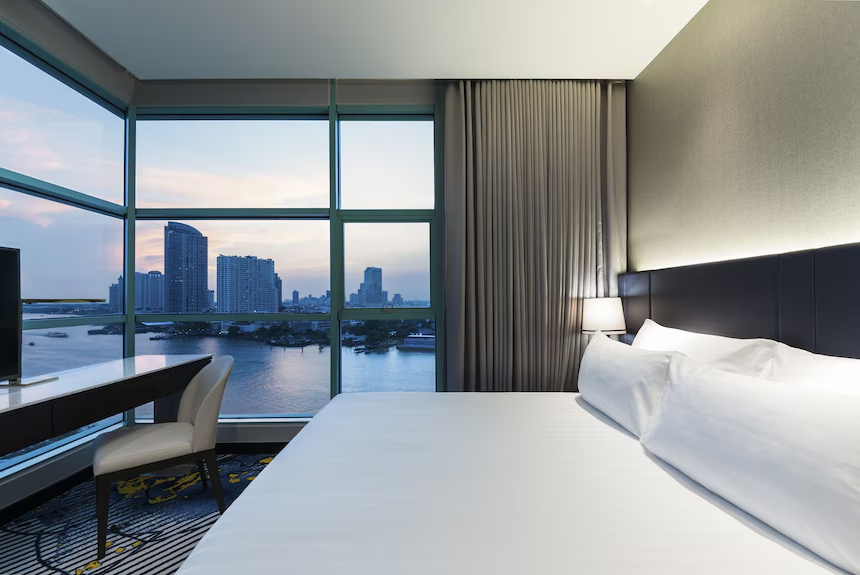
Morning light can also affect sleep. East-facing rooms may become bright early, making blackout curtains important for travellers adjusting to a new time zone. Guests who prefer evening sunsets may value a different orientation even when both rooms overlook the same river.
Consider Transport as Part of the Location
A riverside hotel can offer a different route through the city, particularly when boat services connect with other transport and visitor areas. This can make journeys more memorable while avoiding some road traffic.
Travellers should still assess how often the service operates and what happens outside those hours. Taxis, rail connections and walking routes remain important, especially for early departures or late evenings.
The immediate neighbourhood should meet everyday needs. Restaurants, shops and practical services nearby can reduce unnecessary travel, while a more isolated position may encourage greater use of hotel dining.
The value of the location depends on the itinerary. Guests whose plans are concentrated elsewhere in the city should compare real journey times rather than choosing the river purely for atmosphere.
Make Use of the View Beyond the First Photograph
A scenic room offers the greatest value when guests expect to spend time there. A balcony, seating area or comfortable window position can turn the outlook into part of the daily routine.
Breakfast in the room, a quiet evening drink or time spent reading can all make the setting more meaningful. Travellers following a packed sightseeing schedule may benefit more from an accessible location than from paying a large supplement for a view they see only briefly.
Public spaces matter too. A hotel with riverside dining, outdoor seating or a pool can provide access to the scenery even when the room faces elsewhere.
A river outlook can make an urban stay feel more spacious and relaxed, but the full experience depends on more than the direction of the window. By considering room position, noise, transport and how much time will be spent at the property, travellers can choose a view that genuinely improves the stay rather than simply raising the nightly rate.