
Introduction
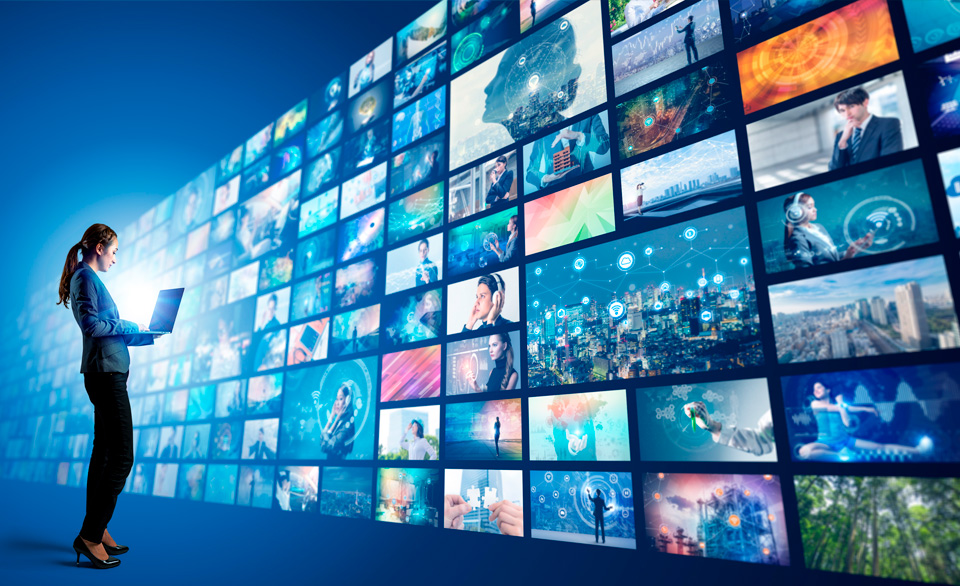
Entertainment is an integral part of human life, serving as a source of relaxation, inspiration, and cultural expression. The entertainment industry spans multiple sectors, including film, television, music, gaming, live performances, and digital content platforms. Over the past decade, technological advancements and changing consumer preferences have transformed how audiences engage with entertainment. In 2025, the landscape continues to evolve with immersive experiences, streaming dominance, and innovative content creation redefining traditional boundaries.
The Evolution of Entertainment
From Traditional Media to Digital Platforms
Historically, entertainment was consumed through live performances, cinema, radio, and television. These traditional formats dominated for decades, shaping popular culture and social trends. However, the digital revolution has dramatically changed consumption patterns. Streaming platforms, video-on-demand services, and social media channels now allow audiences to access content anytime, anywhere. The shift from physical media to digital has enabled personalized experiences, catering to niche audiences with diverse preferences.
The Role of Technology in Entertainment
Technology continues to be a driving force behind the entertainment industry’s growth. Advanced computer-generated imagery (CGI) and special effects have enhanced film and television production, while artificial intelligence (AI) is now assisting in scriptwriting, content recommendations, and even music composition. Virtual reality (VR) and augmented reality (AR) are creating immersive experiences for audiences, offering interactive gaming environments, virtual concerts, and digital storytelling that blur the line between reality and imagination.
Entertainment Sectors in 2025
Film and Television
The global film and television sector remains one of the most influential areas of entertainment. Streaming platforms have disrupted traditional cinema distribution, allowing audiences to access blockbuster movies and series directly at home. Original content creation by platforms like Netflix, Disney+, and Amazon Prime Video has intensified competition, leading to higher production quality and diverse storytelling. Additionally, hybrid releases—where films debut simultaneously in theaters and online—have become more common, providing flexibility to audiences while maximizing revenue streams for studios.
Music and Audio Entertainment
Music continues to be a universal form of entertainment, with streaming services like Spotify, Apple Music, and YouTube Music dominating consumption. AI-driven algorithms now curate personalized playlists based on listening habits, making music discovery more efficient than ever. Podcasts and audiobooks have also seen tremendous growth, offering niche content for dedicated audiences. Live concerts and music festivals, now enhanced with AR and VR experiences, are redefining how audiences interact with performers and creating hybrid live-digital experiences.
Gaming and Interactive Entertainment
The gaming industry has emerged as a powerhouse within entertainment, generating higher revenues than both film and music combined in certain markets. Mobile gaming, esports, and cloud gaming have expanded access to interactive experiences, allowing players to connect globally. Gamification of non-gaming experiences, such as virtual concerts or educational content, has further blurred the line between entertainment and engagement. Advanced graphics, AI-powered non-playable characters, and immersive storylines are setting new benchmarks for entertainment experiences in 2025.
Live Performances and Experiential Entertainment
While digital entertainment is thriving, live performances remain essential for human connection. Concerts, theater, and sports events offer unique, immersive experiences that cannot be replicated online. However, live entertainment has increasingly integrated digital elements, such as interactive screens, VR pre-show experiences, and live streaming options, to reach broader audiences. Hybrid events have become a standard approach, balancing in-person engagement with digital accessibility.
Trends Shaping the Entertainment Industry
Personalization and AI Integration
Personalization is no longer optional; it is a key factor in audience retention. AI-driven algorithms analyze viewing patterns, listening habits, and gaming preferences to deliver content recommendations tailored to individual tastes. From personalized movie suggestions to interactive storylines in games, AI is transforming how audiences experience entertainment.
Sustainability in Entertainment
Environmental consciousness is influencing production choices across the entertainment industry. Studios are adopting eco-friendly practices in filmmaking, including sustainable set designs, energy-efficient equipment, and carbon offset initiatives. Music festivals and live events are implementing waste reduction strategies and green energy sources to minimize environmental impact, reflecting consumer demand for sustainability.
Globalization and Cross-Cultural Content
The digital era has fostered global content consumption, breaking down geographic and language barriers. International films, music, and gaming content are now widely accessible, leading to cultural exchange and collaborations. Multilingual streaming services, subtitles, and dubbing have made content more inclusive, while global fan communities foster engagement across borders.
Virtual and Augmented Reality Experiences
VR and AR technologies are expanding entertainment possibilities. Virtual concerts allow fans to attend shows in immersive digital environments, while AR applications provide interactive enhancements for live events and films. Gaming continues to push the boundaries with fully immersive VR worlds, creating new forms of storytelling and entertainment that are both interactive and participatory.
Challenges Facing the Industry
Content Saturation
The abundance of content across platforms has created challenges in discoverability. Audiences are overwhelmed with choices, making effective content marketing and algorithmic recommendations crucial. For creators, standing out in a crowded landscape requires innovation, high production quality, and audience engagement strategies.
Piracy and Digital Rights Management
Digital content distribution has amplified concerns around piracy. Unauthorized streaming and downloads continue to impact revenue for studios, artists, and developers. Advanced DRM technologies, blockchain-based ownership verification, and legal enforcement strategies are being employed to mitigate losses and protect intellectual property.
Monetization and Revenue Models
The shift from traditional ticket sales and physical media to digital subscription models has changed revenue dynamics. While subscriptions provide stable income streams, creators must balance monetization with audience expectations for affordability and accessibility. Emerging models, including microtransactions in gaming and ad-supported streaming content, are diversifying revenue streams.
The Future of Entertainment
Hybrid Experiences
Hybrid entertainment experiences are likely to dominate the next decade, combining physical and digital engagement. Live events with virtual participation, interactive storytelling in VR, and cross-platform content integration will redefine audience expectations.
AI-Generated Content
AI-generated music, scripts, and visuals are becoming more sophisticated, raising possibilities for automated content production. While human creativity remains central, AI will act as a collaborative tool, enhancing efficiency and expanding creative possibilities.
Audience Empowerment
Future entertainment will increasingly be shaped by audience interaction. Social media feedback, live polls during broadcasts, and participatory storytelling in games are empowering audiences to influence content creation. This participatory model strengthens engagement and creates deeper emotional connections.
Conclusion
Entertainment is no longer confined to screens or stages; it is an evolving ecosystem influenced by technology, culture, and audience behavior. In 2025, the industry thrives on innovation, personalization, and immersive experiences, blending traditional formats with digital advancements. As consumers demand greater interactivity, inclusivity, and sustainability, the future of entertainment will be shaped by those who embrace creativity, technology, and global connectivity.
FAQs
1. How has streaming changed the entertainment industry?
Streaming platforms have revolutionized content consumption by offering on-demand access, original programming, and personalized recommendations, significantly reducing the dominance of traditional cinema and television.
2. What role does AI play in entertainment today?
AI assists in content recommendation, scriptwriting, music composition, and even interactive gaming, enhancing personalization and streamlining production processes.
3. How are VR and AR technologies shaping entertainment?
VR and AR provide immersive, interactive experiences, from virtual concerts and gaming worlds to augmented live performances, creating new forms of audience engagement.
4. Why are hybrid live-digital events becoming popular?
Hybrid events allow audiences to participate in live experiences while reaching broader online audiences, combining the emotional impact of in-person attendance with digital convenience.
5. How is sustainability being integrated into the entertainment industry?
Studios and event organizers are adopting eco-friendly practices, including sustainable set designs, green energy usage, and waste reduction, aligning with consumer expectations for environmental responsibility.
6. What challenges does content saturation present?
With an overwhelming amount of content available, discoverability and audience engagement become difficult, requiring effective marketing, curation, and algorithmic recommendation strategies.
7. How is the global audience influencing entertainment content?
Globalization has expanded content accessibility, fostering cross-cultural collaborations and multilingual content, allowing entertainment to reach diverse international audiences.
This article explores the multifaceted nature of entertainment in 2025, highlighting key trends, technologies, and consumer behaviors shaping the industry’s future.