
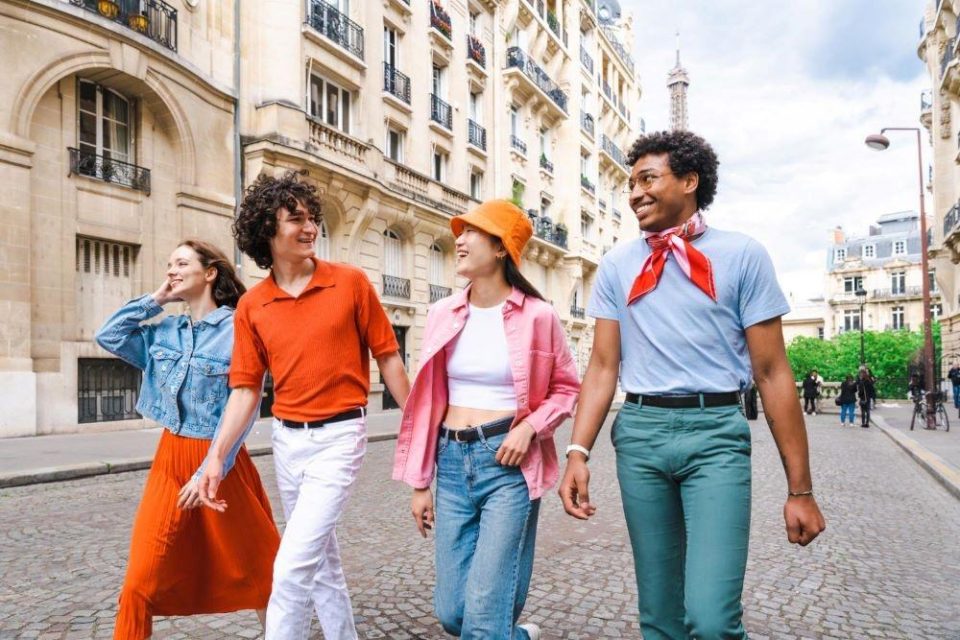
Fashion is a universal language, yet its dialects are uniquely shaped by history, climate, architecture, and local culture. Long before runway collections reach mainstream retail racks, the world’s most influential style capitals dictate the global aesthetic narrative. From the tailored elegance of Paris and the theatrical eccentricity of London to the relaxed utilitarianism of New York and the cutting-edge street-wear experimentation of Tokyo, each city offers a distinct sartorial philosophy.
By examining how different fashion hubs approach silhouette, color palette, fabric choice, and layering, style enthusiasts can refine their personal wardrobe. Borrowing design cues from global fashion epicenters allows individuals to transcend regional trends, building an authentic, international wardrobe that balances comfort, elegance, and individuality.
Paris: The Art of Effortless Elegance and High-End Tailoring
Parisian style is widely celebrated for its understated, polished aesthetic. The secret to French fashion lies in a philosophy of restraint, often described as nonchalant elegance. Rather than chasing fleeting micro-trends, Parisian dressers invest in timeless, high-quality foundational garments that can be mixed and matched effortlessly.
-
Neutral Palette Mastery: The Parisian wardrobe relies heavily on classic neutral tones, including navy blue, black, cream, beige, charcoal gray, and crisp white. These colors create a cohesive base that makes daily styling seamless.
-
Tailored Outerwear: A structured trench coat, a wool double-breasted overcoat, or a tailored blazer serves as the centerpiece of almost every Parisian outfit. Outerwear is viewed not merely as a functional layer, but as the defining element of the silhouette.
-
High-Low Styling: The hallmark of modern French fashion is pairing casual everyday items with elevated designer pieces. For example, a crisp white button-down shirt paired with well-fitted straight-leg denim and high-end leather loafers captures the classic Parisian balance.
-
Minimalist Accessories: Accessories in Paris are deliberate and refined. A silk scarf, a structured leather handbag, or simple gold jewelry elevates an ensemble without appearing overly styled.
New York City: Utilitarian Chic and Architectural Structure
New York fashion is fast-paced, pragmatic, and inherently functional. Navigating the dense urban grid demands clothing that transitions smoothly from early morning business meetings to late-night social engagements. As a result, New York style merges sharp corporate tailoring with sportswear elements, creating an aesthetic known as elevated utility.
-
Monochromatic Layers: New Yorkers are famous for their affinity for all-black ensembles. Wearing black or muted tonal layers creates a long, sleek visual line while projecting confidence and professional authority.
-
Sportswear Hybrids: The fusion of athletic wear and formal tailoring reached its peak in Manhattan. Oversized blazers worn over tailored hoodies, leather trousers paired with clean minimalist sneakers, and structured tote bags designed for multi-device transport reflect the city’s fast-moving lifestyle.
-
Bold Architectural Silhouettes: New York style embraces sharp angles, exaggerated shoulders, wide-leg trousers, and structured leather outerwear. The goal is to project strength and modern sophistication within a chaotic urban environment.
London: Eccentric Heritage and Subcultural Rebellion
London fashion occupies a unique position where centuries-old tailoring traditions sit alongside subcultural rebellion. The British capital is home to both Savile Row, the historic center of bespoke tailoring, and Camden Market, the birthplace of punk, mod, and goth subcultures. This duality creates an eclectic, adventurous approach to personal style.
Blending Classic Heritage with Punk Rock Energy
British style excels at taking traditional textile patterns—such as tartan, houndstooth, prince of wales check, and tweed—and subverting them through modern, edgy styling. A classic plaid blazer might be styled with safety pins, chunky combat boots, or distressed denim, blending heritage craftsmanship with raw, youthful rebellion.
Experimental Layering and Weather Preparedness
Given the UK damp, unpredictable climate, London dressers have mastered the art of complex textural layering. Combining heavy knits, leather jackets, waxed cotton raincoats, and tailored trousers allows for creative expression while remaining weather-appropriate. Londoners are rarely afraid of clashing prints, unconventional color combinations, or vintage thrifted finds.
Tokyo: Avant-Garde Proportion and Streetwear Innovation
Tokyo is widely regarded as one of the most visually creative fashion capitals in the world. Districts like Harajuku, Shibuya, and Ginza serve as living laboratories for street fashion. Japanese style prioritizes fabric manipulation, unexpected proportions, craftsmanship, and a complete disregard for traditional gender boundaries in clothing design.
-
Play with Scale and Volume: Tokyo aesthetics favor oversized, billowy silhouettes. Wide-leg balloon pants, extended hems, cocoon-shaped coats, and drop-shoulder shirts create dramatic visual shapes that prioritize movement and artistic expression over body-conforming fits.
-
Obsessive Craftsmanship and Denim: Japanese designers are world-renowned for their dedication to textile preservation and construction techniques. Raw selvedge denim, intricate sashiko stitching, and hand-dyed indigo fabrics reflect a deep respect for slow, intentional fashion.
-
Futuristic Tech-Wear: Tokyo leads the world in functional, futuristic apparel. Rainproof technical fabrics, modular utility vests, multi-pocket cargo pants, and ergonomic performance footwear are integrated seamlessly into high-fashion street outfits.
Milan: Bold Luxury, Vibrant Color, and Unapologetic Drama
While Paris practices aesthetic restraint, Milan embraces uninhibited luxury, vibrant color, and rich textural drama. Italian fashion celebrates physical confidence, impeccable tailoring, and high-quality materials such as fine silk, cashmere, and supple leather.
-
Rich Color and Graphic Prints: Milanese fashion does not shy away from bold jewel tones, intricate floral patterns, geometric prints, or animal motifs. Color is used strategically to evoke energy, warmth, and artistic confidence.
-
Flawless Italian Tailoring: Italian suits and dresses are engineered to flatter the form. Soft shoulders, luxurious fabric drapes, and precise waist construction characterize both menswear and womenswear in the Italian fashion capital.
-
Statement Accessories: In Milan, accessories take center stage. Oversized sunglasses, statement gold belts, vibrant silk scarves, and handcrafted leather footwear serve as primary focal points rather than secondary afterthoughts.
By taking inspiration from global fashion capitals—incorporating the effortless neutrals of Paris, the functional edge of New York, the rebellious patterns of London, the sculptural volumes of Tokyo, and the rich colors of Milan—anyone can curate a versatile, expressive style that feels both timeless and personal.
Frequently Asked Questions
How can I incorporate global fashion trends without spending a fortune?
You do not need to buy high-end designer labels to adopt global aesthetics. Focus on key styling principles rather than specific brand names. Look for foundational wardrobe items at vintage shops, thrift stores, or affordable retailers—such as a well-fitted blazer, a quality trench coat, or straight-leg denim—and experiment with global styling techniques like monochrome layering or high-low pairings.
What is the easiest global style capital aesthetic for beginners to adopt?
Parisian style is generally the easiest and most accessible for beginners because it relies on simple, neutral wardrobe basics that most people already own. Building outfits around navy, black, white, and beige with well-fitted denim and classic outerwear allows you to achieve a polished look with minimal effort.
How do I mix elements from different style capitals in a single outfit?
The key to blending style capitals is balance. Combine one structured, classic element with one expressive or casual element. For example, pair a classic Parisian tailored blazer with Tokyo-inspired oversized cargo trousers, or layer a London-style plaid scarf over a sleek, monochrome New York black ensemble.
Why is Tokyo considered such an influential fashion capital?
Tokyo is exceptionally influential because of its culture of uninhibited personal expression, technical textile innovation, and mastery of street style. Japanese designers consistently challenge traditional Western tailoring norms regarding gender, proportion, and construction, inspiring international fashion houses worldwide.
What is the difference between French and Italian approach to fashion?
French fashion focuses on minimalism, neutral colors, understated elegance, and effortless restraint. Italian fashion, by contrast, embraces bold colors, dramatic prints, sensual silhouettes, rich textures, and high-visibility luxury accessories.
How does climate impact the signature style of different fashion capitals?
Climate directly shapes textile choices and layering techniques. New York and London dressers rely heavily on functional layering, heavy knits, and protective outerwear due to cold, wet seasons. Milanese dressers utilize lightweight silks, fine linens, and unlined tailoring suited for warmer Mediterranean climates.
How can men incorporate global style capital trends into everyday menswear?
Men can easily incorporate global influences by adjusting fit and fabric choices. Adopt Tokyo-inspired relaxed, wider trousers; integrate New York monochromatic all-black streetwear layers; select classic Parisian navy and beige outerwear; or invest in Italian-style tailored blazers made from textured fabrics like linen or soft wool.