
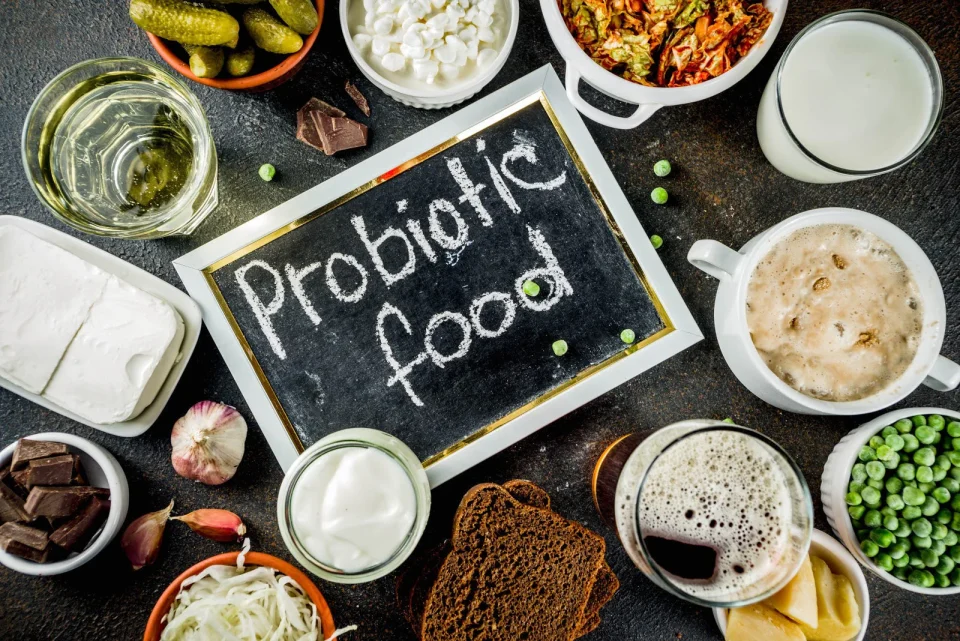
Probiotics have moved well beyond the realm of niche health food stores. Today, they’re one of the most talked-about topics in preventive health — and for good reason. Research into the human gut microbiome has exploded over the past decade, revealing just how profoundly the trillions of bacteria living in our digestive system influence everything from immunity and mental health to energy levels and skin condition.
Whether you’re considering probiotic supplements, exploring naturally fermented foods like kefir and kombucha, or simply trying to understand what all the fuss is about, this guide breaks it down clearly. You’ll learn what probiotics are, why they matter, and how to make smart choices — particularly if you’re living in Australia, where access to high-quality probiotic products has never been better.
What Are Probiotics and Why Do They Matter?
Probiotics are live microorganisms — primarily bacteria, and sometimes yeasts — that confer a health benefit on the host when consumed in adequate amounts. The most common strains belong to the Lactobacillus and Bifidobacterium families, though there are thousands of individual species with different functions and effects.
Your gut is home to around 100 trillion microorganisms collectively known as the gut microbiome. When this ecosystem is balanced and diverse, it supports digestion, produces essential vitamins, regulates immune responses, and even communicates with the brain via the gut-brain axis. When it’s disrupted — by poor diet, antibiotic use, chronic stress, or illness — the effects can ripple across your entire body.
This is where probiotics come in. Regularly consuming beneficial bacteria — either through food or supplementation — helps restore and maintain microbiome diversity, which underpins virtually every aspect of long-term health.
The Evidence-Backed Benefits of Probiotics
The science on probiotics is still maturing, but several benefits are supported by strong clinical evidence:
- Digestive health — probiotics are well-established in reducing symptoms of irritable bowel syndrome (IBS), bloating, constipation, and diarrhoea, including antibiotic-associated diarrhoea
- Immune function — a significant proportion of the immune system is located in the gut, and a balanced microbiome helps regulate immune responses and reduce susceptibility to infection
- Mental health — emerging research into the gut-brain axis suggests that probiotic supplementation may help reduce symptoms of anxiety and depression, though this field is still developing
- Skin conditions — some studies link microbiome health with conditions like eczema and acne, with probiotic interventions showing promising results in reducing severity
- Cholesterol and heart health — certain Lactobacillus strains have been shown to modestly reduce LDL cholesterol levels in clinical trials
- Vaginal health — Lactobacillus-dominant vaginal flora protects against bacterial vaginosis and urinary tract infections, and oral probiotic supplementation can support this balance
Importantly, benefits are strain-specific. Not all probiotics do the same thing, which is why choosing the right product or food source for your particular health goal matters.
Natural Probiotic Foods: Kefir, Kombucha and Beyond
Before probiotic supplements existed, humans consumed probiotics exclusively through traditionally fermented foods. Many of these foods are experiencing a well-deserved renaissance, and for good reason — they deliver live cultures alongside a rich matrix of nutrients, enzymes, and bioactive compounds that supplements alone cannot replicate.
Kefir
Kefir is a fermented milk drink originating from the Caucasus region, made by fermenting milk with kefir grains — a complex culture of bacteria and yeast. It has a slightly tart, creamy flavour and is considerably more probiotic-dense than regular yoghurt, containing up to 61 different microbial strains across bacteria and yeasts.
Regular kefir consumption has been associated with improved lactose digestion (many lactose-intolerant individuals tolerate kefir well, as fermentation breaks down most of the lactose), enhanced bone density due to its high calcium and vitamin K2 content, and meaningful improvements in gut microbiome diversity. Water kefir — made with water, sugar, and kefir grains rather than milk — is a dairy-free alternative with similar probiotic benefits.
Kombucha
Kombucha is a fermented tea made with a SCOBY (Symbiotic Culture Of Bacteria and Yeast). The fermentation process produces organic acids, B vitamins, and a range of beneficial bacteria that support digestive health. It’s naturally low in sugar when properly fermented, lightly effervescent, and highly versatile in flavour — making it one of the most approachable probiotic foods for newcomers to fermentation.
Kombucha is particularly popular in Australia, where home brewing has become a mainstream pursuit. For those interested in brewing their own, starting with a certified organic SCOBY and quality ingredients is the most reliable way to produce a consistent, high-quality batch.
Other Fermented Foods Worth Including
- Yoghurt — choose live-culture varieties with minimal added sugar for genuine probiotic benefit
- Sauerkraut and kimchi — lacto-fermented vegetables rich in Lactobacillus strains
- Miso and tempeh — fermented soy products that provide both probiotics and complete protein
- Aged cheeses — some varieties like gouda, cheddar, and Swiss contain live cultures that survive digestion
Probiotic Supplements: When Food Isn’t Enough
While fermented foods are an excellent foundation, there are situations where probiotic supplements offer advantages that food alone cannot match. Therapeutic doses for specific conditions — such as IBS management, post-antibiotic microbiome repair, or targeted immune support — often require far higher concentrations of specific strains than food sources reliably deliver.
The probiotic supplements Australia market has grown significantly in recent years, with a wide range of products now available through health food retailers, pharmacies, and online stores. Quality, however, varies considerably. Here’s what to look for:
- CFU count (Colony Forming Units) — therapeutic-grade products typically range from 10 billion to 50 billion CFU per dose; higher isn’t always better, but underdosed products rarely produce clinical results
- Strain diversity — multi-strain formulations tend to outperform single-strain products for general gut health; look for a mix of Lactobacillus and Bifidobacterium species
- Strain specificity — if you’re targeting a specific condition, choose a product with strains that have clinical evidence for that condition
- Delivery mechanism — enteric-coated capsules or delayed-release formulations protect bacteria from stomach acid, improving the number of live organisms that reach the colon
- Storage requirements — some high-potency supplements require refrigeration; always check and follow storage instructions to maintain viability
- Third-party testing — choose brands that undergo independent testing for purity and CFU accuracy, particularly important for probiotic supplements in Australia where labelling standards vary
Prebiotics: The Fuel That Makes Probiotics Work
Probiotics work best when paired with prebiotics — the dietary fibres that beneficial bacteria feed on. Foods like garlic, onions, leeks, asparagus, oats, and green bananas are rich in prebiotic fibres. Many quality supplement formulations now combine both (known as synbiotics) for enhanced effectiveness. If your diet is low in fibre, even the best probiotic supplement will underperform.
How to Choose the Right Probiotic Approach for You
There’s no single answer that suits everyone — the right probiotic strategy depends on your health goals, dietary preferences, budget, and current gut health status. As a general framework:
- For general wellness and prevention — a diet rich in fermented foods (kefir, kombucha, yoghurt, sauerkraut) alongside a high-fibre diet provides excellent ongoing microbiome support
- For specific digestive conditions — targeted probiotic supplements with clinically evidenced strains, taken consistently for at least 4–8 weeks, are likely to produce more measurable results
- Post-antibiotic recovery — a combination approach is recommended: high-dose, multi-strain probiotic supplements during and immediately after the antibiotic course, followed by a sustained dietary strategy
- For children — specific paediatric probiotic formulations exist; always consult a healthcare professional before introducing supplements for young children
It’s also worth noting that consistency matters far more than intensity. Probiotics don’t permanently colonise the gut — they need to be maintained through ongoing dietary habits or supplementation to continue delivering benefits.
The Bottom Line on Probiotics
Probiotics represent one of the most promising and accessible tools in everyday preventive health. Whether you’re drawn to the ritual of brewing your own kombucha, the nutritional richness of daily kefir, or the precision of a well-formulated probiotic supplement, the evidence is clear: a healthy, diverse gut microbiome is foundational to overall wellbeing.
For Australians exploring their options, the good news is that access to quality probiotic foods and supplements has never been better. The key is moving beyond marketing claims and focusing on what the science actually supports — the right strains, adequate doses, quality sourcing, and the consistency to make it a genuine lifestyle habit rather than a short-term fix.
Start with your diet, supplement strategically where needed, and give your gut the consistent care it deserves. The returns — in energy, immunity, digestion, and mental clarity — are well worth the effort.