

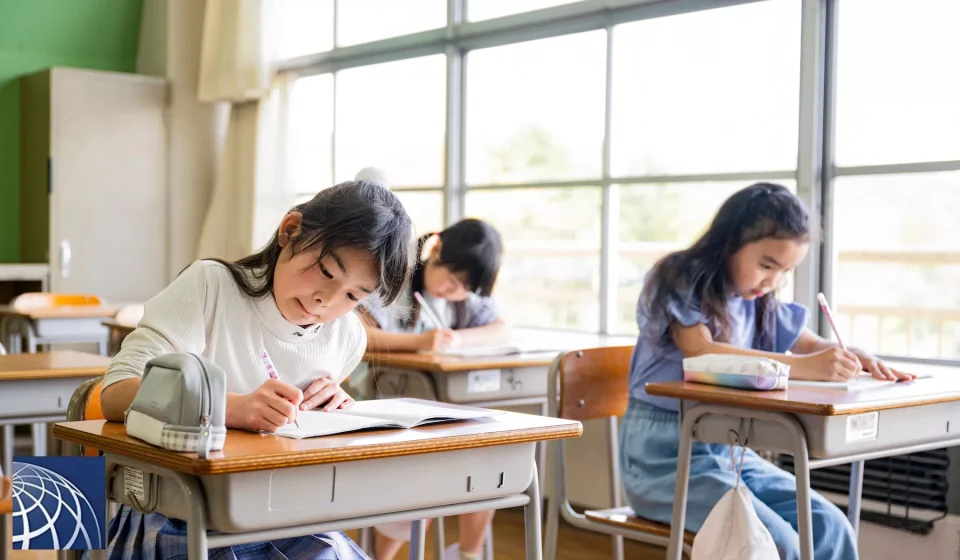
Children do not arrive at school as empty vessels waiting to be filled with facts. They bring questions, habits, emotions, friendships, worries and different ways of making sense of the world. A strong elementary school experience helps children build the academic, social and emotional foundations they need to become curious, capable and confident learners.
Learning Starts With Feeling Safe
Young children learn best when they feel secure. Before they can focus properly on reading, writing, numbers or inquiry, they need to feel that the classroom is a place where they are known, respected and supported.
This does not mean removing challenge. It means creating an environment where children feel able to try, make mistakes and ask questions without embarrassment. A child who feels anxious about getting things wrong may avoid risk. A child who trusts the adults around them is more likely to attempt difficult work, share ideas and keep going when something feels hard.
Teacher relationships are central to this. Warmth, clear expectations and consistency help children understand what is expected of them. Over time, that sense of safety supports independence.
Curiosity Needs Room To Grow
Elementary education should not be limited to memorising answers. Children at this stage are naturally curious. They want to know why things happen, how systems work and what their own ideas might become.
Good teaching uses that curiosity rather than working against it. A science topic might begin with a simple observation. A writing task might grow from a story the class has discussed. A maths concept may become clearer through objects, patterns or real-life problems.
When children see that learning connects to the world around them, they become more engaged. They also start to understand that knowledge is not stored in separate boxes. Reading can support research. Maths can help solve practical questions. Art can express ideas that words cannot fully capture.
Social Skills Are Part Of The Curriculum
Some of the most important learning in the early school years happens through interaction. Children learn how to listen, share materials, explain their thinking, disagree respectfully and recover from small conflicts.
These skills do not develop automatically. They need guidance, modelling and practice. Group work, classroom routines, play, discussion and collaborative projects can all help children understand how to learn alongside others.
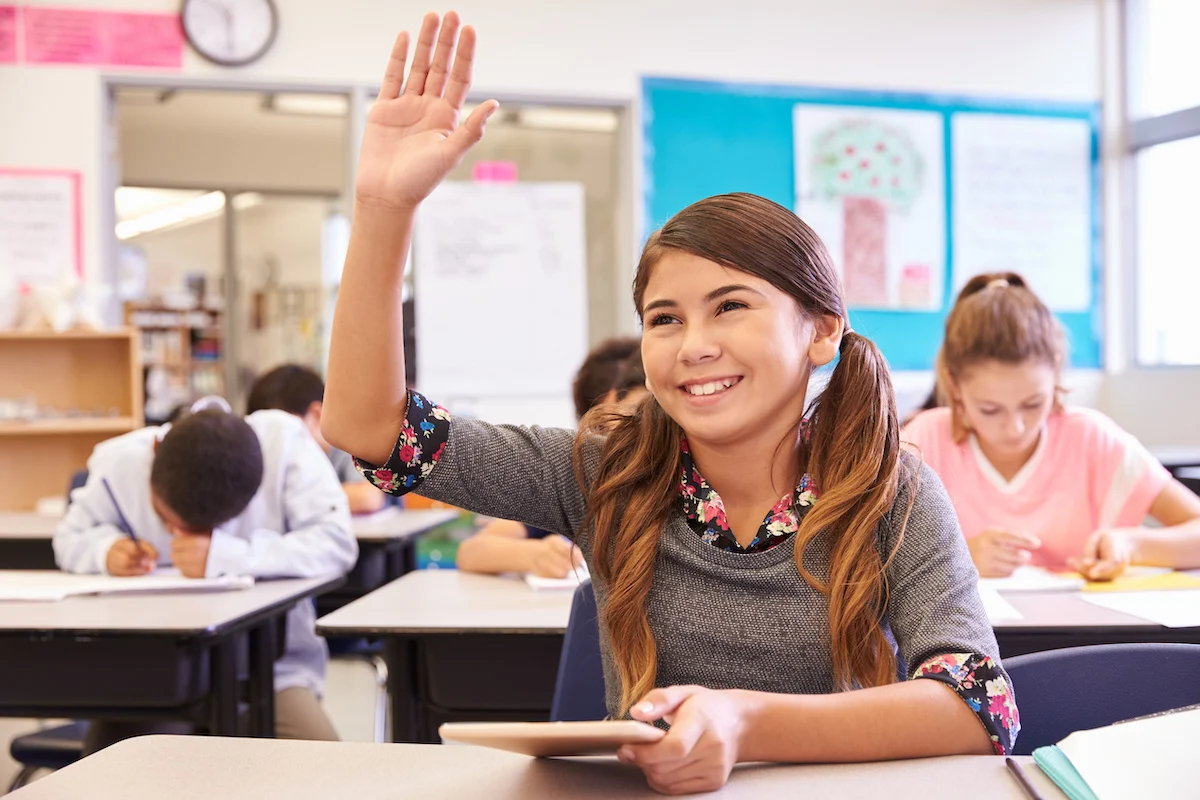
This matters because academic ability alone is not enough. Children also need patience, empathy and communication skills. A student who can work well with classmates is better prepared for more complex learning later on, where discussion, teamwork and self-management become increasingly important.
Strong Foundations Reduce Pressure Later
When early learning is rushed or uneven, gaps can follow children into later years. Reading fluency, number sense, vocabulary, writing confidence and problem-solving habits all need careful development.
A good elementary programme gives children time to build these foundations properly. It recognises that progress does not look identical for every student. Some children may move quickly in one area and need more support in another. Effective teaching responds to those differences without making children feel labelled or limited.
Assessment should help teachers understand what each child needs next. Used well, it is not just about grades or levels. It becomes a tool for spotting strengths, identifying gaps and planning better support.
Independence Builds Gradually
One of the goals of elementary education is helping children take more responsibility for their own learning. This happens gradually. Younger children may begin by managing belongings, following routines and choosing resources. Older elementary students may plan projects, reflect on their work and set simple goals.
Independence does not mean leaving children to manage alone. It means giving them enough structure to succeed while slowly increasing responsibility. Over time, they learn how to organise themselves, ask for help appropriately and recognise when they need to improve.
These habits are valuable far beyond the classroom. Children who develop confidence, curiosity and resilience early are better prepared for the academic and social demands of middle school and beyond.
The best elementary education respects childhood while preparing children for what comes next. It gives them space to wonder, practise, connect and grow, building foundations that support both learning and character.