
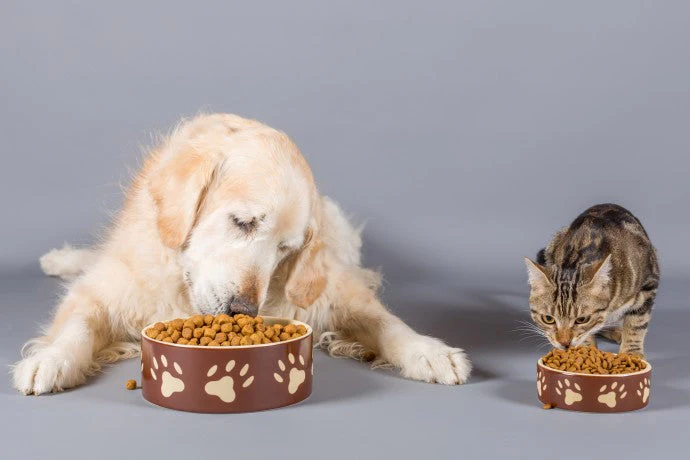
Pet owners are more informed than ever, and the products they choose are often judged on much more than flavour or price. From ingredient quality and nutrition to safety, texture, packaging and brand trust, working with a pet food manufacturer can be a positive step for businesses that want to create products with clear purpose and reliable standards.
Nutrition Should Lead the Product
Good pet food development starts with nutrition. Whether the product is a complete meal, complementary food, treat, topper or functional product, it needs to be designed around the needs of the animal first.
Dogs and cats have different nutritional requirements, and those needs can vary by age, breed, size, activity level and health status. A puppy, senior dog, indoor cat or active working breed may all need different support. This is why formulation should never be treated as a simple flavour exercise.
A strong product should have a clear role. Is it intended for everyday feeding, occasional use, reward, hydration support, digestive support or palatability? When the purpose is clear, the ingredient choices and feeding guidance become much easier to shape responsibly.
Ingredient Transparency Builds Trust
Pet owners increasingly want to understand what they are feeding their animals. Clear ingredient information helps build confidence, especially when products use recognisable proteins, carefully selected carbohydrates, oils, minerals and functional ingredients.
This does not mean every product has to follow the same trend. Some brands may focus on fish-based recipes, others on meat, grain-free options, limited-ingredient formulas or products designed around specific textures. What matters is that the ingredients make sense for the product’s purpose.
Transparency also extends to sourcing and production. Customers may want to know where ingredients come from, how products are made and whether standards are consistent. Brands that can explain these points clearly often feel more credible than those relying on vague claims.
Safety and Quality Control Are Essential
Pet food must be made with careful attention to safety. Good manufacturing processes should cover ingredient checks, hygiene, traceability, formulation accuracy, packaging integrity and shelf-life testing.
Consistency is just as important. A pet owner expects the same smell, texture, appearance and feeding experience each time they buy. If a product changes noticeably between batches, it can create concern, even if the product remains safe.
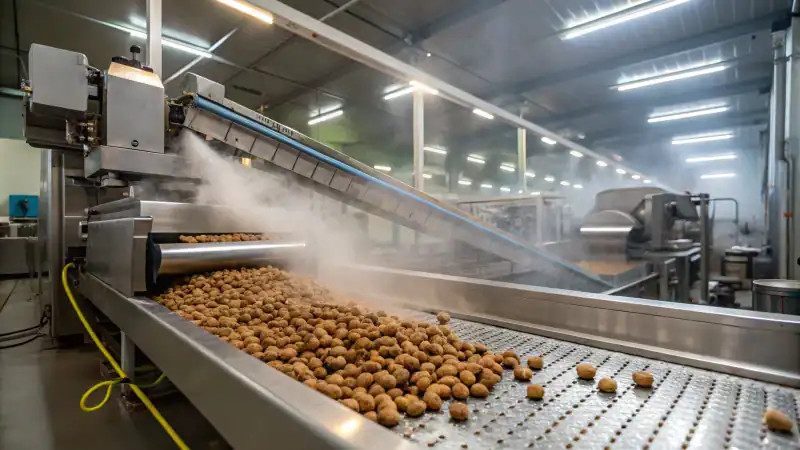
Quality control also helps protect the brand. Product recalls, labelling errors or inconsistent manufacturing can damage trust quickly. This is why businesses should treat production standards as a core part of product development rather than something to check at the end.
Format and Texture Influence Buying Decisions
Pet food is not only judged by what is inside the pack. Format and texture have a major influence on how the product is used and whether pets accept it. Wet food, dry food, pouches, trays, treats, toppers and functional snacks all serve different needs.
Cats, for example, can be sensitive to texture, aroma and moisture. Dogs may respond strongly to flavour, chew feel and portion size. Owners also think practically, considering storage, serving, mess, convenience and value.
Packaging should support the product properly. It needs to protect freshness, communicate clearly, and make feeding easy. Resealable bags, portioned packs, easy-open pouches and clear feeding instructions can all improve the customer experience.
Responsible Claims Matter
The pet food market is full of claims, but not all of them are helpful. Terms around natural ingredients, health support, sustainability, premium quality or functional benefits should be used carefully and backed by appropriate reasoning.
Overstated claims may attract attention at first, but they can damage trust if customers feel misled. Responsible product positioning is more valuable. This means explaining benefits clearly, avoiding unnecessary exaggeration and making sure labelling reflects what the product can genuinely offer.
Pet owners want to feel they are making good decisions for their animals. Clear, honest communication helps them do that.
A successful pet food product should combine nutrition, safety, consistency and everyday practicality. When businesses focus on the animal’s needs as well as the owner’s expectations, they are better placed to develop products that feel useful, trustworthy and suited to the modern pet care market.