
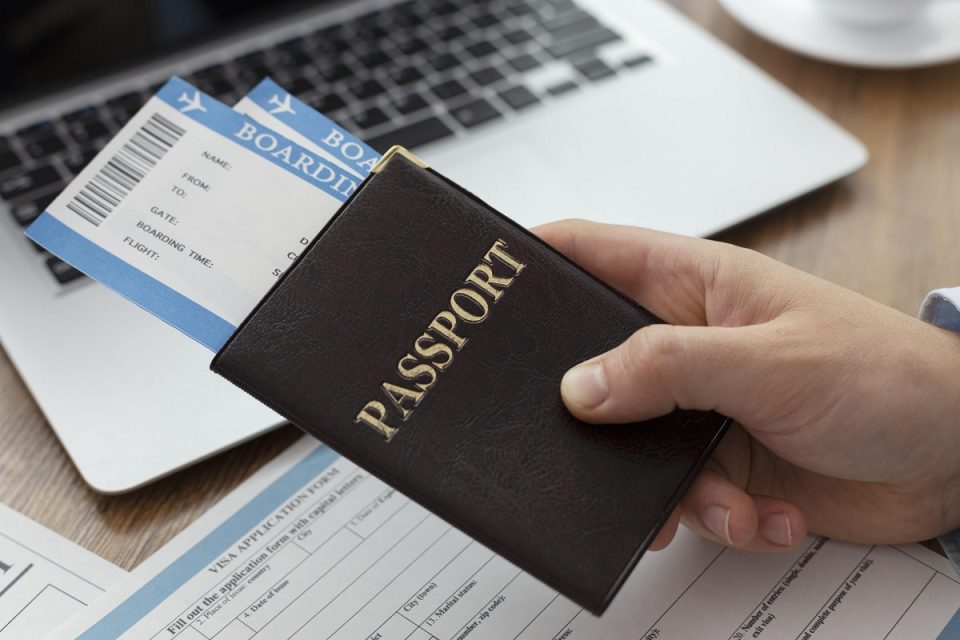
Travel freedom is often discussed in terms of convenience, but for many people it also affects how they organise their lives, work and long-term plans. Holding a second passport can change the practical limits around where someone can go, how long they can stay and how easily they can respond to opportunities or personal obligations across borders.
Rather than being about constant movement, a second passport often provides reassurance. It removes uncertainty around entry rules and reduces reliance on short-term permissions that can shift with little notice.
Moving beyond visa restrictions
For individuals who travel regularly, visa requirements can shape decisions more than distance or cost. Application timelines, entry limits and changing eligibility rules all introduce friction. A second passport can remove many of these barriers, allowing entry into certain regions without advance paperwork or restrictive conditions.
This ease of access supports more spontaneous travel and simplifies longer stays. Whether visiting family, attending meetings or managing property abroad, fewer administrative hurdles allow people to focus on the purpose of travel rather than the process.
Flexibility during unexpected situations
One of the less visible benefits of holding an additional passport is flexibility during disruption. Political change, travel restrictions or sudden policy updates can affect mobility quickly. Individuals with more than one nationality often find it easier to adapt when conditions shift.
This flexibility can be particularly valuable during emergencies or periods of uncertainty. Alternative travel routes, entry points or long-term stay options provide reassurance when standard pathways are disrupted or temporarily unavailable.

Supporting international lifestyles
Many people no longer live entirely within one country. Work, family and personal interests may be spread across regions. A second passport can support this lifestyle by reducing dependency on employer-sponsored visas or temporary residency arrangements.
For families, this can influence schooling, healthcare access and long stays without constant renewals. It allows people to organise their lives around practical needs rather than immigration timelines, which often brings a greater sense of control.
Administrative simplicity over time
While acquiring an additional passport involves upfront effort, it can simplify administration in the long term. Fewer applications, renewals and compliance checks reduce ongoing workload. Over time, this consistency can be easier to manage than maintaining multiple temporary permissions.
This stability allows people to plan further ahead. Decisions around relocation, travel or investment can be made with clearer expectations, rather than reacting to expiring documents or shifting rules.
A change in options, not identity
Holding a second passport does not require abandoning ties to a primary nationality. For most people, it functions as an additional option rather than a replacement. Identity, residence and lifestyle can remain unchanged while legal flexibility increases.
This added layer of choice allows individuals to respond to opportunities or challenges with fewer constraints. In that sense, a second passport reshapes what is possible, not by demanding change, but by quietly expanding the range of options available.